KASANDY CIRCULAR ECONOMY INITIATIVE
We don’t just recycle materials.
KCEI became fully operational July 2024. Tonnes and jobs figures are 2026–2028 programme targets. Verified data published as milestones are reached.
The Problem
500 million kilograms.
Canada discards an estimated 500 million kilograms of textiles annually. The overwhelming majority goes straight to landfill — materials that could become building products, panels, and surfaces with real commercial value.
At the same time, refugees, newcomers, and people with disabilities face systematic exclusion from the emerging green economy. Jobs in sustainability are concentrated among those who already have access. The people most affected by economic precarity are the last to benefit from the circular economy transition.
KCEI is the missing link: the infrastructure that turns a waste problem into an employment opportunity, and an employment opportunity into a supply chain solution.
Policy Alignment
- Vancouver Zero Waste 2040
- Greenest City Action Plan
- BC Equity Framework for Green Jobs
The Process
From discarded textile to finished product — four steps.
STEP 1 — COLLECT
Post-consumer textiles collected from BC residents, businesses, and institutions through donation points and scheduled pick-ups.
STEP 2 — SHRED & PROCESS
Industrial shredding, sorting, and fibre blending. Applied research and development conducted in partnership with Emily Carr University of Art + Design (ECUAD).
STEP 3 — MANUFACTURE
Bricks, panels, surfaces, and furnishings manufactured by KCEI workers — people who would otherwise face systematic exclusion from the green economy.
STEP 4 — DEPLOY
Finished products supplied to municipalities, hotels, real estate developers, and corporations committed to sustainable procurement.
Who We Employ
Inclusive employment by design.
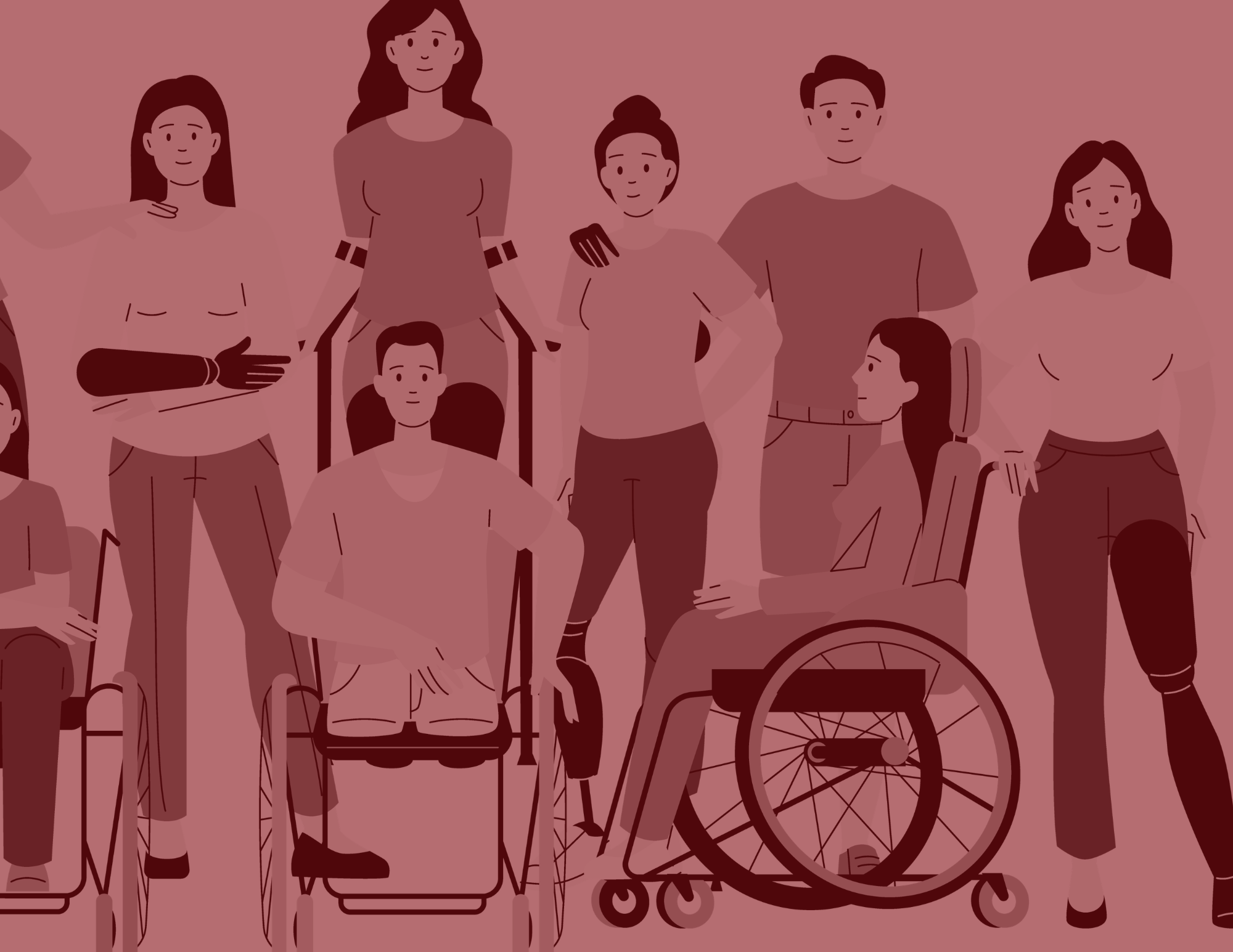
KCEI was built on one conviction: sustainability and social inclusion must go hand in hand. Every job we create is intentionally designed for people who face the greatest barriers to employment in Canada’s green economy.
KCEI doesn’t just create jobs — it creates career pathways. Workers gain hands-on experience in industrial processing, quality assurance, and sustainable manufacturing. Skills that transfer. Wages that dignify.
The Ecosystem
Built with partners, not around them.
Research Partner
Emily Carr University
Formal ten-milestone MOU for applied R&D on circular textile products. ECUAD faculty and postgraduate researchers embedded in the KCEI pilot.
Municipal Endorsement
City of Vancouver
KCEI is aligned with and endorsed by the City of Vancouver’s Zero Waste 2040 plan and Greenest City Action Plan.
Government Funders
FFBC & SBCCI
Active government grant supporters funding the KCEI pilot program — validating the model at a systemic level.
Work With KCEI
Ready to work with KCEI?
Whether you’re a municipality seeking sustainable products, a business with textile waste to donate, or an institutional funder ready to scale the model — we want to hear from you.